

The construction of overseas production lines and the upgrade of testing platforms need to be coordinated and meet the requirements of local equipment interfaces, electrical conditions, and English delivery documents.
The work recorded in the original materials includes testing system adaptation, upgrading existing platforms, creating new testing sections, and providing on-site installation, debugging, and acceptance document support.
Can form a unified testing caliber and deployment baseline. The original manuscript records the status of delivered and in progress for different production lines; This time, it was not merged and recognized as fully completed.

There are differences in battery models and production line conditions among different bases, and it is necessary to complete compatibility modification of existing testing equipment within the shutdown window and support overseas re debugging.
Using the existing hardware platform, carry out engineering transformation around tooling, software configuration, testing item addition and removal, and compatibility after transfer.
The original material explains the path of hardware reuse and cross base adaptation; The acceptance, settlement, and ongoing procurement of each base must be reconfirmed according to project records.

The construction of multiple bases requires simultaneous consideration of testing processes, energy management, and consistency of testing data, and enables the reuse of system design for new production lines.
The scope of the original manuscript includes the design and integration of battery cell testing systems, common DC bus energy scheduling, and production line systems.
The original manuscript provides a plan for cross base unified testing caliber and data model. The energy saving range, quality assurance conditions, and completion status of each base have not obtained the original proof in this case, and the candidate text does not include numerical values.

The incoming materials and process testing before loading need to cover electrical performance, leakage, signal simulation, and communication testing, and be coordinated with the production line rhythm.
Modular testing functions are combined by workstation, including multi-channel resistance simulation, leakage measurement, AC internal resistance and communication testing, etc.
The original manuscript describes the method of configuring test items and uploading data by workstation on the same platform; Actual pace, detection coverage, and acceptance results still require project evidence.
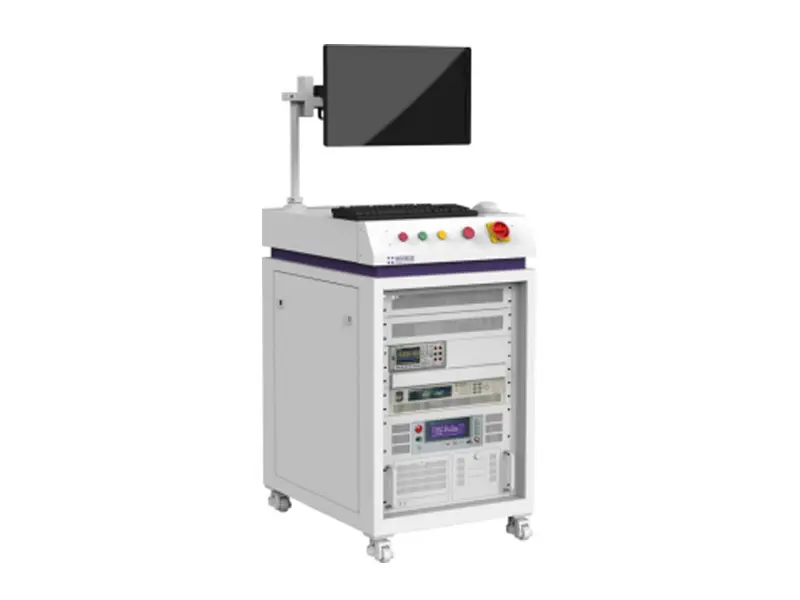
Fixed parameter battery models are difficult to cover actual aging and temperature differences, and BMS validation requires models and test cases that are closer to actual operating conditions.
The original manuscript describes the solution of combining AI battery model with BMS HIL platform, and proposes to update the model and use cases using production line and in use data.
Improved efficiency in qualitative description verification of old drafts; No quantitative comparison or operational records have been obtained this time, and no improvement percentage is given, nor is it verified that continuous data return has been put into operation.

R&D and mass production use cases need to be combined with fault information from real use, and detection, maintenance, and re inspection records are often scattered across different terminals.
The original manuscript proposes to return the work order records of networked detection and maintenance equipment according to the agreement, and to precipitate fault, threshold, and operating condition information through a unified data model.
Can be used to illustrate the business path of post market data return; The number of terminals, activity rate, work order volume, and statistical cycle are still lacking in the bottom table, and these numbers will not be cited in the candidate copy.

Multiple types of electrical signals and complex working condition combinations need to be verified in a unified environment, and manual execution of each item is difficult to maintain consistency in working conditions and records.
The scope of the original manuscript includes typical and custom operating conditions, automation scripts, signal sampling, fault injection, real-time simulation, and report generation.
The original manuscript describes the combination of working conditions, which is executed in batches according to the script and automatically generates reports; The current delivery status and actual efficiency benefits need to be supplemented with acceptance or operation records.

OTA verification involves the vehicle side, cloud side, communication link, and application side, and requires verification of the update process under various network and power supply conditions.
The scope of the original manuscript includes power supply, bus, network, cloud and node simulation, LIN, CAN, CAN FD and vehicle Ethernet, as well as custom detection methods.
The original manuscript describes a unified automated process that covers multiple stages of verification; It is not based on this to determine that the concurrency scale, data compliance, or any admission requirements have been fully validated.
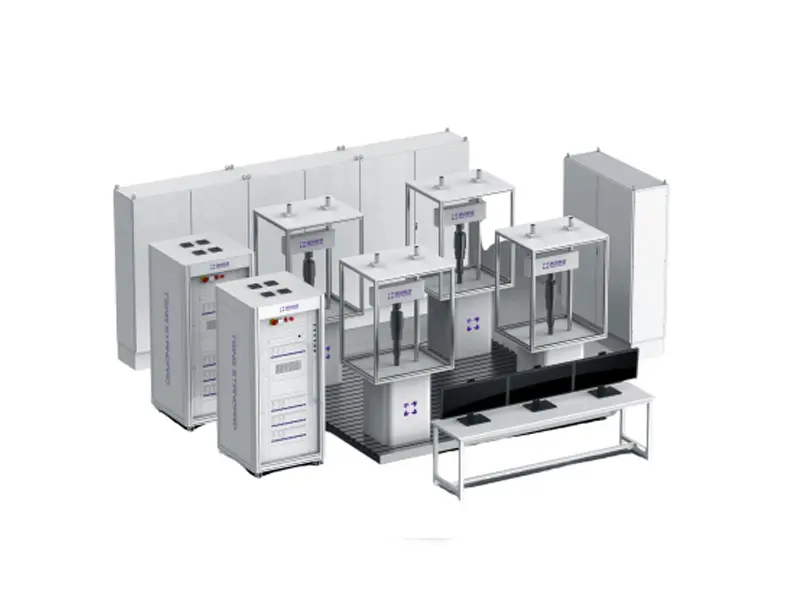
The validation and in use diagnosis of battery management algorithms involve data from different stages, requiring a correlation between the validation environment and the diagnostic process.
The original materials include BMS HIL platform, aftermarket diagnostic framework, and remote diagnostic direction; Different cooperation scopes should be confirmed and divided according to corresponding projects.
The existing data can support the historical draft of cooperation direction and system functions; The original statistical basis for the decrease in defect rate and the extension of lifespan is still lacking, and relevant quantitative propaganda has been removed from this article.

The validation of the vehicle controller requires simultaneous simulation of temperature, switch values, sensor protocols, wheel speeds, and multiple bus signals.
The original manuscript describes configuring temperature sensors and switch quantities on the same rack SENT/PSI5、 Wheel speed and simulation of CAN, LIN, and onboard Ethernet signals.
The original manuscript describes the generation of multiple types of signals on the same platform, batch execution of scripts, and retention of test records; No quantified results have been provided, and no revenue figures will be added to this manuscript.
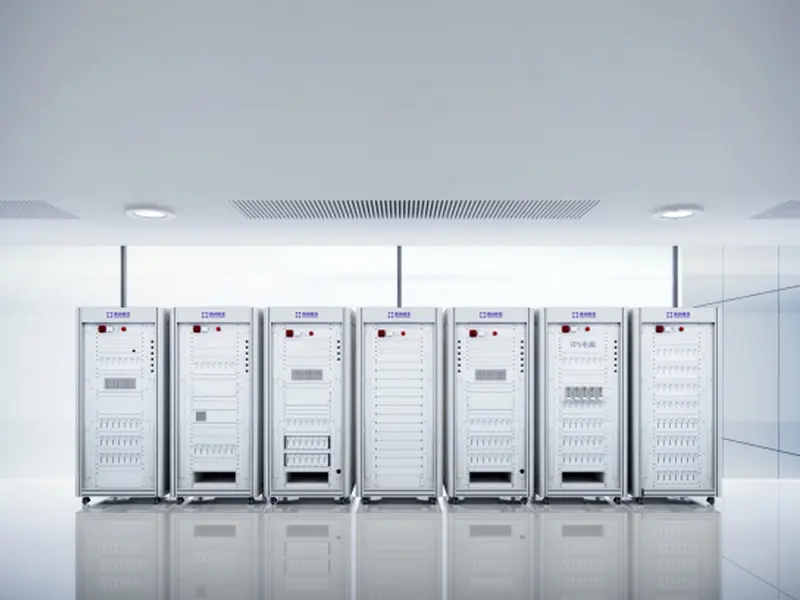
The fluctuation of battery cell capacity load and discharge feedback energy need to be considered in conjunction with the distribution capacity, energy storage charging and discharging, and electricity price window of the factory area.
The original manuscript includes the design of the common DC bus system, testing and integration of energy storage units, debugging, and data tracking after commissioning.
The original manuscript includes operational data for specific months and climbing conditions, but no minute data or issued reports were obtained this time; This manuscript retains the technical path and will fill in the performance results once the evidence is complete.
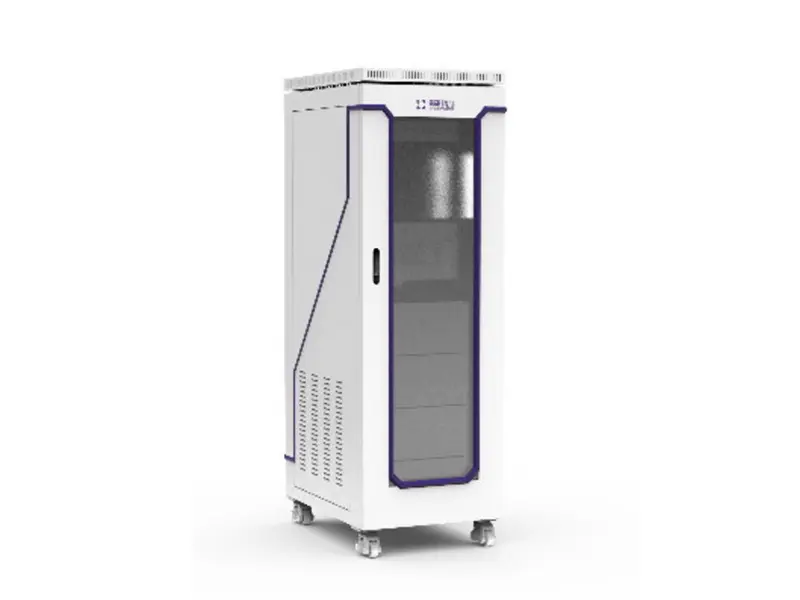
The manufacturing process of energy storage batteries requires offline configuration, electrical performance and airtightness testing according to product voltage and process requirements, and retention of factory inspection records.
The original manuscript involves PACK-EOL, PACK line testing, and mass flow type airtightness tester; Project records should be established separately for customers and equipment.
This article summarizes multiple customer projects and cannot be considered as a unified completed project. Their respective delivery or execution status, equipment configuration, and acceptance results still need to be separated.
The construction of overseas production lines and the upgrade of testing platforms need to be coordinated and meet the requirements of local equipment interfaces, electrical conditions, and English delivery documents.
The work recorded in the original materials includes testing system adaptation, upgrading existing platforms, creating new testing sections, and providing on-site installation, debugging, and acceptance document support.
Can form a unified testing caliber and deployment baseline. The original manuscript records the status of delivered and in progress for different production lines; This time, it was not merged and recognized as fully completed.
There are differences in battery models and production line conditions among different bases, and it is necessary to complete compatibility modification of existing testing equipment within the shutdown window and support overseas re debugging.
Using the existing hardware platform, carry out engineering transformation around tooling, software configuration, testing item addition and removal, and compatibility after transfer.
The original material explains the path of hardware reuse and cross base adaptation; The acceptance, settlement, and ongoing procurement of each base must be reconfirmed according to project records.
The fluctuation of battery cell capacity load and discharge feedback energy need to be considered in conjunction with the distribution capacity, energy storage charging and discharging, and electricity price window of the factory area.
The original manuscript includes the design of the common DC bus system, testing and integration of energy storage units, debugging, and data tracking after commissioning.
The original manuscript includes operational data for specific months and climbing conditions, but no minute data or issued reports were obtained this time; This manuscript retains the technical path and will fill in the performance results once the evidence is complete.
The manufacturing process of energy storage batteries requires offline configuration, electrical performance and airtightness testing according to product voltage and process requirements, and retention of factory inspection records.
The original manuscript involves PACK-EOL, PACK line testing, and mass flow type airtightness tester; Project records should be established separately for customers and equipment.
This article summarizes multiple customer projects and cannot be considered as a unified completed project. Their respective delivery or execution status, equipment configuration, and acceptance results still need to be separated.
The validation of the vehicle controller requires simultaneous simulation of temperature, switch values, sensor protocols, wheel speeds, and multiple bus signals.
The original manuscript describes configuring temperature sensors and switch quantities on the same rack SENT/PSI5、 Wheel speed and simulation of CAN, LIN, and onboard Ethernet signals.
The original manuscript describes the generation of multiple types of signals on the same platform, batch execution of scripts, and retention of test records; No quantified results have been provided, and no revenue figures will be added to this manuscript.
The validation and in use diagnosis of battery management algorithms involve data from different stages, requiring a correlation between the validation environment and the diagnostic process.
The original materials include BMS HIL platform, aftermarket diagnostic framework, and remote diagnostic direction; Different cooperation scopes should be confirmed and divided according to corresponding projects.
The existing data can support the historical draft of cooperation direction and system functions; The original statistical basis for the decrease in defect rate and the extension of lifespan is still lacking, and relevant quantitative propaganda has been removed from this article.
OTA verification involves the vehicle side, cloud side, communication link, and application side, and requires verification of the update process under various network and power supply conditions.
The scope of the original manuscript includes power supply, bus, network, cloud and node simulation, LIN, CAN, CAN FD and vehicle Ethernet, as well as custom detection methods.
The original manuscript describes a unified automated process that covers multiple stages of verification; It is not based on this to determine that the concurrency scale, data compliance, or any admission requirements have been fully validated.
Multiple types of electrical signals and complex working condition combinations need to be verified in a unified environment, and manual execution of each item is difficult to maintain consistency in working conditions and records.
The scope of the original manuscript includes typical and custom operating conditions, automation scripts, signal sampling, fault injection, real-time simulation, and report generation.
The original manuscript describes the combination of working conditions, which is executed in batches according to the script and automatically generates reports; The current delivery status and actual efficiency benefits need to be supplemented with acceptance or operation records.
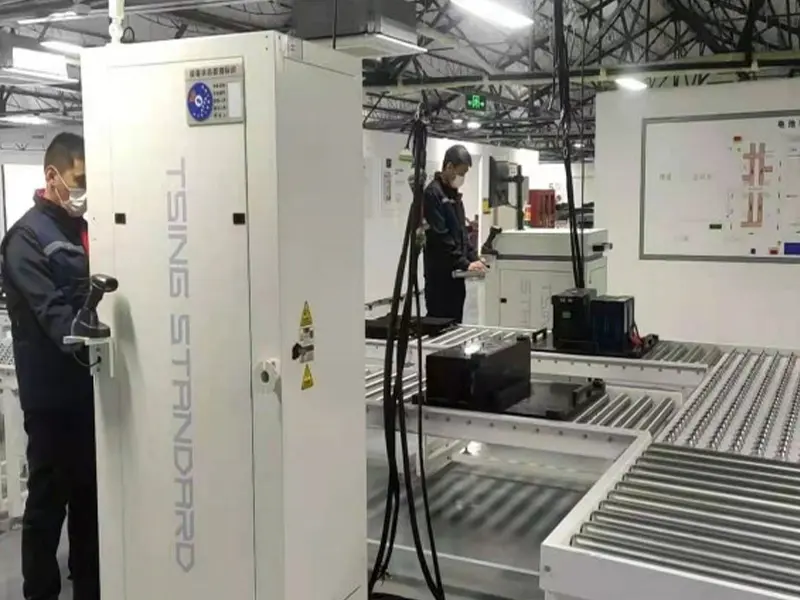
R&D and mass production use cases need to be combined with fault information from real use, and detection, maintenance, and re inspection records are often scattered across different terminals.
The original manuscript proposes to return the work order records of networked detection and maintenance equipment according to the agreement, and to precipitate fault, threshold, and operating condition information through a unified data model.
Can be used to illustrate the business path of post market data return; The number of terminals, activity rate, work order volume, and statistical cycle are still lacking in the bottom table, and these numbers will not be cited in the candidate copy.
Fixed parameter battery models are difficult to cover actual aging and temperature differences, and BMS validation requires models and test cases that are closer to actual operating conditions.
The original manuscript describes the solution of combining AI battery model with BMS HIL platform, and proposes to update the model and use cases using production line and in use data.
Improved efficiency in qualitative description verification of old drafts; No quantitative comparison or operational records have been obtained this time, and no improvement percentage is given, nor is it verified that continuous data return has been put into operation.
The incoming materials and process testing before loading need to cover electrical performance, leakage, signal simulation, and communication testing, and be coordinated with the production line rhythm.
Modular testing functions are combined by workstation, including multi-channel resistance simulation, leakage measurement, AC internal resistance and communication testing, etc.
The original manuscript describes the method of configuring test items and uploading data by workstation on the same platform; Actual pace, detection coverage, and acceptance results still require project evidence.
The construction of multiple bases requires simultaneous consideration of testing processes, energy management, and consistency of testing data, and enables the reuse of system design for new production lines.
The scope of the original manuscript includes the design and integration of battery cell testing systems, common DC bus energy scheduling, and production line systems.
The original manuscript provides a plan for cross base unified testing caliber and data model. The energy saving range, quality assurance conditions, and completion status of each base have not obtained the original proof in this case, and the candidate text does not include numerical values.